Can a Tiny Home Really Pay for Itself on Airbnb?
Yes — and the numbers are better than most traditional rental investments. A $90,000–$120,000 custom tiny home placed on land near a Texas tourist destination can generate $2,500–$5,500 per month in gross rental income, depending on occupancy and nightly rate. At 65% occupancy and $150/night, that's $2,925/month — enough to cover loan payments and generate positive cash flow from month one.
A well-documented example: a tiny home Airbnb in Waco, TX has generated $550,000+ per year (a compound of multiple units). That's an extreme outlier — but single-unit investors in Central Texas routinely see $30,000–$60,000 annual gross revenue from one unit.
The Real Numbers: ROI Breakdown
Here's a conservative model for a 28-foot Aura unit placed near Waco, TX:
Total investment: $95,000 (unit) + $6,000 (land prep + delivery) + $5,000 (land, 0.5 acre) = $106,000 all-in
Nightly rate: $149/night Occupancy: 65% (about 20 nights/month) Gross monthly revenue: $2,980 Expenses (cleaning, utilities, Airbnb fees ~30%): -$894 Net monthly: $2,086
Annual net: ~$25,000 ROI: ~23.6% annually
That's roughly 4.2 years to full payback — with the asset still in your hands and appreciating. Compare that to a traditional rental property with a 6–8% cap rate.
What Markets Work Best in Texas?
Not all Texas locations are equal for STR income. The top performers:
Waco: Underrated gem. Magnolia Market drives enormous tourism. Visitors come from all over the US and struggle to find boutique accommodation. Average Airbnb nightly rate: $130–$180.
Fredericksburg / Hill Country: Premium wine country market. Nightly rates of $200–$400 for unique stays. Land is pricier but so is revenue.
Lake Texoma / Lake Travis: Water access drives year-round bookings. Water-view tiny homes command $175–$250/night easily.
Bastrop / Cedar Creek: Close to Austin but with rural land prices. Growing market with tech workers seeking weekend escapes.
Marble Falls: Boutique Hill Country town, extremely limited supply of unique stays. High nightly rates, loyal repeat guests.
Design Features That Maximize STR Revenue
Not every tiny home performs the same on Airbnb. The units that consistently outperform have specific features:
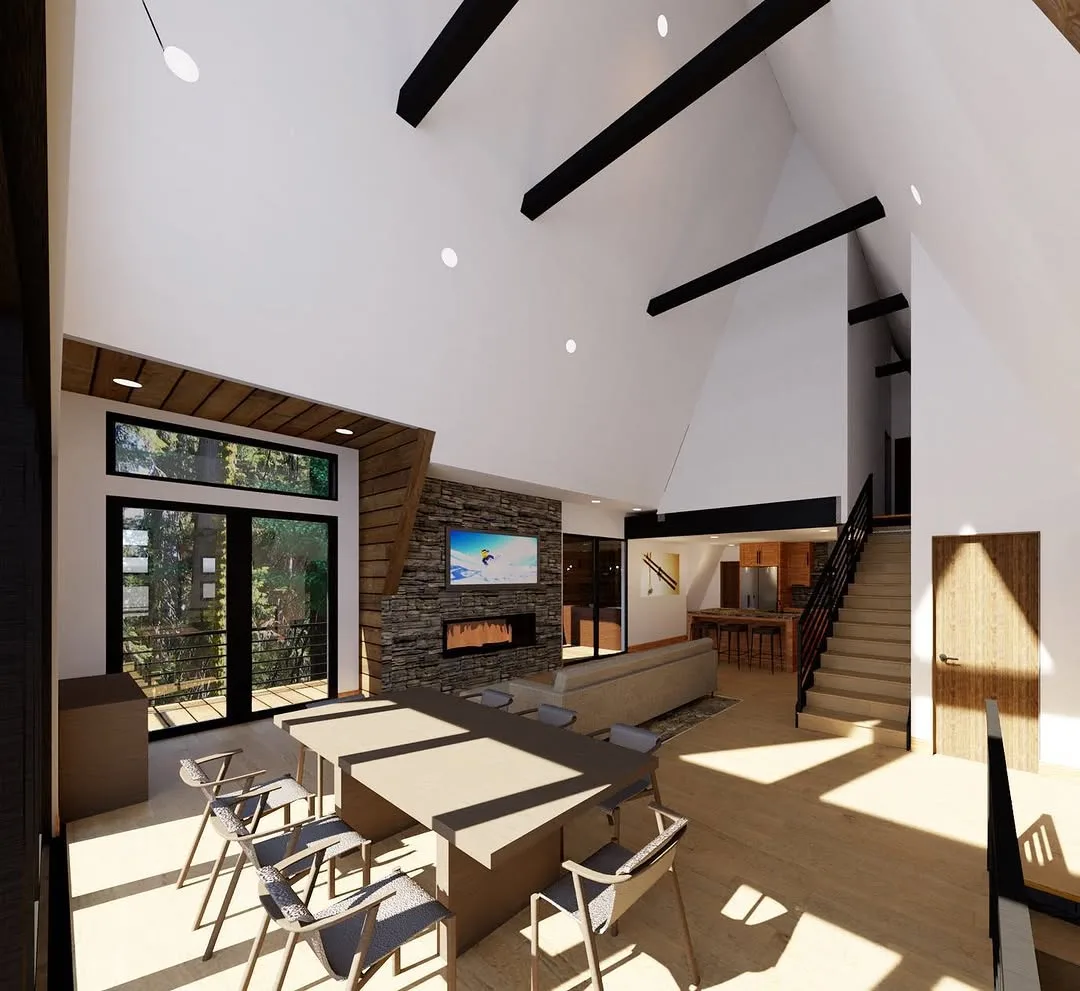
Large windows and natural light — the single biggest driver of 5-star photo reviews. Aura's floor-to-ceiling windows and glass sliders are a key selling point.
Outdoor deck or covered porch — guests will pay $20–$40 more per night for a private outdoor space. A hot tub adds $50+/night premium on average.
Unique aesthetic — A-Frame silhouette, black steel exteriors, cedar wood accents. Generic box-shaped rentals get lost. Distinctive architecture gets shared on Instagram and drives repeat bookings.
Full kitchen — guests booking 3+ nights almost always filter for a real kitchen. Aura units include full-size appliances as standard.
Fast WiFi + workspace — remote workers book extended stays (7–30 nights) which dramatically reduce your cleaning and turnover costs per dollar of revenue.
Operating a Tiny Home STR: What It Actually Takes
The operational side is simpler than most people expect. Here's how successful owners run their units:
Self-managed vs. co-host: Many Waco-area investors self-manage using smart home tools (smart locks, Noise Aware sensors, automated messaging). A full-service co-host takes 20–30% but handles everything.
Cleaning: Budget $75–$125 per turnover. Most investors use a local cleaning service on a per-clean basis. At 20 nights/month, that's 10–15 turnovers — about $1,000–$1,500/month.
Maintenance: Tiny homes have less to break than traditional houses. Budget $2,000–$3,000/year for maintenance. Aura's 10-year structural warranty covers the biggest-ticket items.
Insurance: An STR-specific policy (like Proper Insurance or CBIZ) runs $1,200–$2,400/year for a tiny home. Regular homeowner's policies don't cover commercial rentals.
How to Get Started: The 4-Step Path
Step 1: Choose your market. Pick a location within 2 hours of a major Texas city with existing STR demand. Check AirDNA or Rabbu for occupancy and ADR data before committing.
Step 2: Secure land. Find 0.5–2 acres of unincorporated land with no deed restrictions. Budget $5,000–$15,000 for land near Waco or Central Texas. Confirm septic and water options.
Step 3: Order your build. Contact Aura Tiny Homes for a custom quote. Current build times are 90–120 days from deposit to delivery. We handle permits and transport.
Step 4: List and launch. Set up on Airbnb and VRBO simultaneously. Use professional photography (worth every cent — accounts for 40%+ of booking rate). Price competitively for your first 10 reviews, then raise rates.
The entire process from land search to first guest can be done in 5–7 months with good planning.
RELATED GUIDES
Start Your STR Investment Today
Talk to us about build timelines, STR-optimized layouts, and financing options.